What Happens to Your Gut Health When You Add Kefir to Your Diet
:max_bytes(150000):strip_icc()/VWH-GettyImages-1450331860-37deef675c7a427bb281c9c102d14337.jpg "What Happens to Your Gut Health When You Add Kefir to Your Diet")
Kefir is a fermented milk drink that is beneficial for your gut health. Introducing it into your diet may aid digestion and help you have regular bowel movements.
1. It’s Rich in Probiotics
Kefir contains about three times more probiotics than yogurt, and offers “a more diverse microbial profile with up to 60 unique species of probiotics,” said Stephani Johnson, RDN, DCN, adjunct professor in the department of clinical and preventive nutrition services at the Rutgers School of Health Professions.
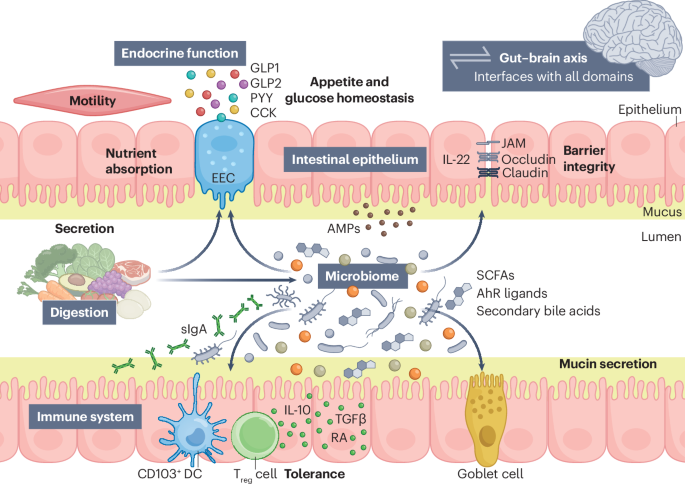
Probiotics help maximize the diversity of microorganisms in your gut, promoting a healthy gut microbiome.
You can take probiotic supplements, but there’s no way to confirm the “good bacteria” in the supplements are still alive by the time you take the pills, Rabia De Latour, MD, a gastroenterologist and assistant professor in the department of medicine at NYU Langone, told Verywell.
Eating foods containing probiotics may be the safer bet when trying to improve your gut health, she added.
2. It May Ease Gastrointestinal Issues
“Kefir is about 99% lactose-free, making it a potentially suitable option for those with lactose intolerance,” Johnson said.
“It may also help manage diarrhea, constipation, and irritable bowel syndrome symptoms,” she added.
It helps move things along in several ways. According to Johnson, certain probiotics produce short-chain fatty acids that stimulate the interstitial muscles to move food in the GI tract.
At the same time, probiotics aid in the breakdown of fiber, which can help bulk and soften the stool, making it easier to pass. Johnson said the probiotics in kefir could also influence the gastrointestinal hormones that shape the process of moving waste through the bowels.
3. It Helps Your Body Absorb Nutrients
Eating kefir can lead to better nutrient absorption, Johnson said, and this can improve many facets of your health.
For instance, research suggests that eating kefir may help your body absorb more calcium, which supports bone and muscular health, nerve function, and more.
4. It Can Replenish Gut Bacteria After Taking Antibiotics
Probiotics can improve your gut health after taking antibiotics, which kill good bacteria in your gut microbiome, said De Latour. Drinking kefir is one way to do that.
It may also stop you from getting sick in the first place, said Johnson. Eating foods high in probiotics can enhance your immune system, and research has linked kefir, specifically, with improved immune health.
Is Kefir the Same Thing as Yogurt?
Though kefir and yogurt have similar properties, they’re not the same.
“Kefir is a fermented milk drink made by culturing milk with a symbiotic mixture of bacteria and yeasts, resulting in a drinkable, yogurt-like beverage,” said Johnson.
“Unlike yogurt, which uses only bacterial cultures, kefir is made using kefir grains—a complex blend of beneficial bacteria and yeasts,” she added.
Kefir usually has a more sour taste and a slightly fizzy, thinner consistency than yogurt.
Is It Safe to Eat Kefir Every Day?
You should consult with your doctor before adding kefir to your diet if you have a chronic health condition or take a medication that affects your immune system.
Otherwise, it’s safe to consume daily, though some people may experience mild digestive side effects, such as gas, bloating, and diarrhea when introducing probiotic-rich foods, like kefir.
“For those sensitive to these effects, it can be helpful to start with small servings and gradually increase intake as tolerated,” said Johnson.
What This Means For You
Kefir, a fermented milk drink rich in probiotics, can help improve your gut health. The drink can help you have regular bowel movements, strengthen your immune system, and may even reduce your chances of getting sick.
:max_bytes(150000):strip_icc()/maggieoneill-16204cf3e01b424bbbd66733f6fb4668.jpeg)
link

:max_bytes(150000):strip_icc()/Health-GettyImages-2222718735-eccdfcbd45b04d8fa98ecdad691be69c.jpg "6 Signs Your Gut Health Is Out of Balance")