How long should poop stay inside you? The science of gut transit time |
Gut transit time quantifies the duration required for ingested material to traverse the entire gastrointestinal tract from mouth to anus, serving as a critical biomarker for digestive motility, and microbiome dynamics. Whole Gut Transit Time (WGTT), encompassing the complete journey from ingestion to elimination, exhibits a median of approximately 28 hours in healthy adults, with a broad normal range spanning 10 to 73 hours based on wireless motility capsule assessments. Colonic Transit Time (CTT), the interval stool resides within the colon, averages 21 hours, segmented into proximal (median 0.1-46 hours), distal (0.3-80 hours), and rectosigmoid phases (up to 134 hours). These parameters, validated through radio-opaque marker studies and scintigraphy, underscore substantial inter- and intraindividual variability influenced by dietary, hormonal, and lifestyle factors. The study was published in BMJ journal Gut, under the title-Advancing human gut microbiota research by considering gut transit time. Take a closer look
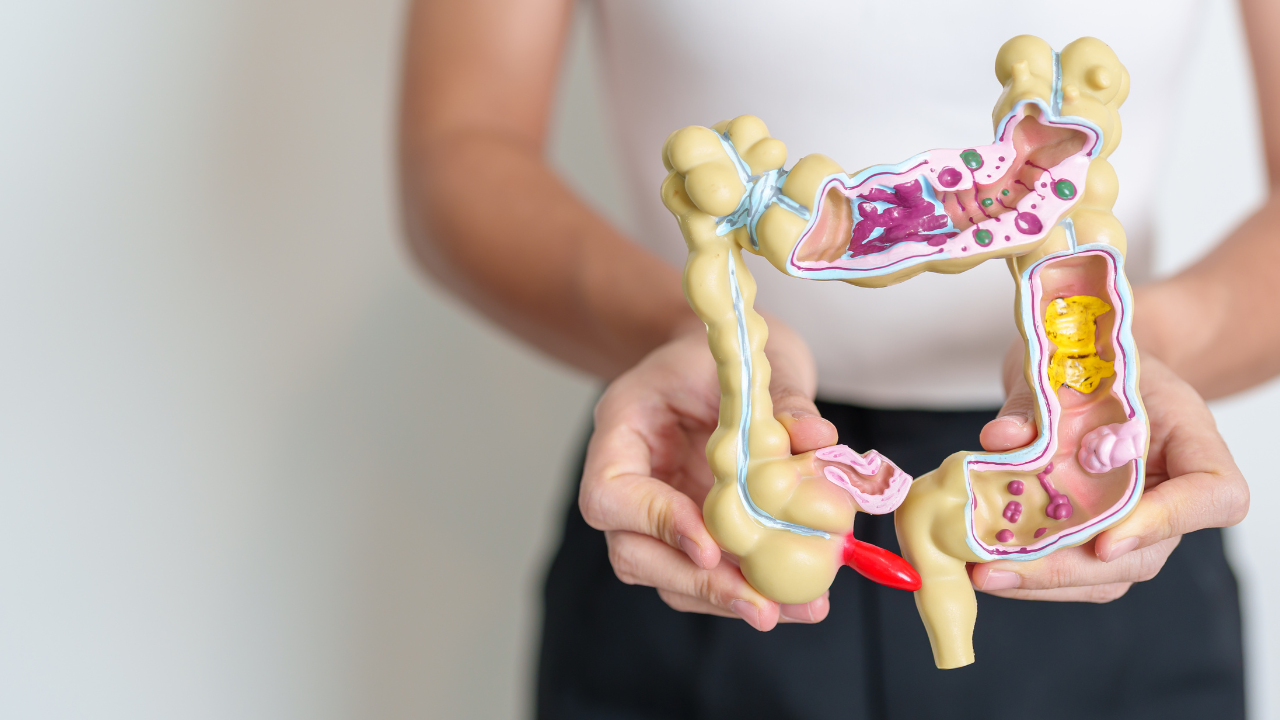
Digestion is divided into precise stages with established norms. According to the research, Gastric emptying ranges from 0-6 hours-the stomach empties its contents. Small intestinal transit time is at a median 5 hours, ranging from 2-7.5 hours, during which effective nutrient absorption takes place. CTT takes center stage thereafter, in which water is reabsorbed and bacterial activity influences the consistency of the stool. Gut evaluation of 124 healthy subjects estimated the median WGTT to be 28.7 hours, showing great inter-individual variations depending on diet, age, gender, and activity. The normal value for WGTT falls in the range of 14-59 hours; a value below 14 hours indicates fast transit, while a value above 59 hours points to slow transit. Bristol Stool Scale offers a very simple assessment-types 3 and 4 indicate an ideal balance. Maintaining a balanced diet, adequate hydration, and regular physical activity can help support optimal gut transit and digestive health.
Transit time and microbiome dynamics

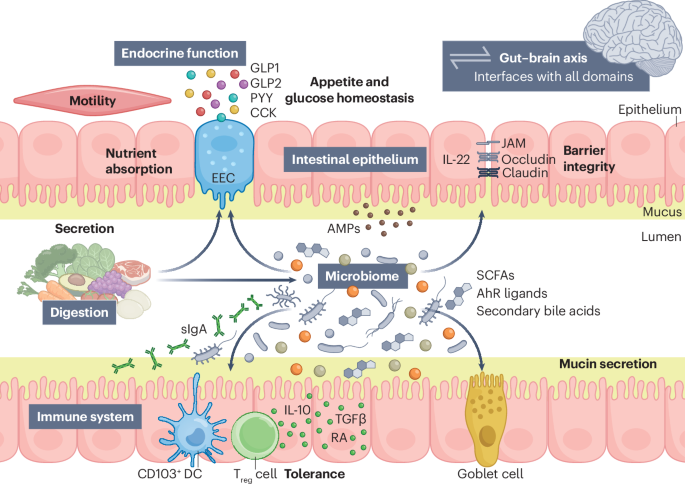
Speed is of the essence in determining microbial fate. Slower WGTT and colonic transit time extend substrate contact, promoting the dominance of Bacteroides, increased fecal pH, and the growth of methanogens, thereby increasing proteolysis. Faster rates promote Prevotella (a type of helpful bacteria that lives in your gut, mouth, and other body areas)-and short-chain fatty acid-producers such as butyrate, which nourish colonocytes and tame inflammation. Metagenomic models from the study predicted transit with 82% accuracy-AUC 0.82-by microbiota profiles, with Akkermansia muciniphila (a good gut bacteria that lives in the mucus layer of your intestines) thriving in longer times. Such variability explains conflicting diet-microbe trial results because transit is a confounder. Women usually have 20-30% longer CTT owing to the effects of progesterone.Also Read: What your poop says about your health (and why you should actually look at it)
Risks when transit goes off the track
Prolonged retention of undigested carbohydrates can lead to their fermentation, resulting in the production of gases and toxins that subsequently promote an imbalance in gut microbiota, known as dysbiosis. A slow colonic transit time (CTT) has been linked with obesity and can create neurological connections due to poor clearance analogs, potentially resulting in symptoms akin to those of Irritable Bowel Syndrome (IBS). Conversely, a rapid transit time tends to diminish the production of short-chain fatty acids (SCFA), which in turn compromises gut barriers, leading to malabsorption issues or episodes of loose stool. Numerous cohort studies have found that extremes in bowel movement frequency correlate with elevated markers of inflammation and a heightened risk of developing metabolic syndrome. Specifically, experiencing fewer than three bowel movements per week or exhibiting Bristol stool types 1-2 and 6-7 should raise significant health concerns, prompting one to carefully monitor their bowel movement patterns for opportunities for early intervention. By maintaining a balanced and moderate transit time, we can support the intricate microbial balance, preserve gut integrity, and ensure optimal nutrient signaling across the interconnected gut–brain–metabolic axis. Simple adjustments to one’s lifestyle, such as ensuring adequate hydration, consuming sufficient fiber, and engaging in regular physical activity, can significantly assist in normalizing transit time and safeguarding long-term digestive health.
What are the factors that shape this?

Diet is the key to change: 25-50g/day fiber from oats, beans, fruits, and vegetables accelerates the colonic through to an optimal of 28 hours. Hydration-2-3L, 150 minutes/week walking, probiotics-keeps the flow going. Age slows CTT by 10-20%, medications like opioids extend, stress disrupts rhythm. Experiment with home charcoal pills or corn kernels safely to learn your personal baseline.Symptoms persisting beyond this require evaluation to rule out obstruction or a motility disorder. Vigorous mapping in the Gut journal advances personalized gut care, with variability in WGTT/CTT proving the demand for tailored strategies. Optimal transit fosters thriving microbes, steady energy, and resilience. Monitor yours-small tweaks yield lasting vitality.Also Read: How long should it take a person to poop ideally, and how does it determine how healthy a person is?
link

:max_bytes(150000):strip_icc()/Health-GettyImages-2222718735-eccdfcbd45b04d8fa98ecdad691be69c.jpg "6 Signs Your Gut Health Is Out of Balance")