What Drinking Hibiscus Tea Regularly Does for Heart and Digestive Health
:max_bytes(150000):strip_icc()/VWh-GettyImages-1940389117-8ea37f734ef645b3be47ae24b62d1cd0.jpg "What Drinking Hibiscus Tea Regularly Does for Heart and Digestive Health")
Sipping hibiscus tea regularly can have a positive impact on your heart and gut health. It’s known to lower blood pressure, manage cholesterol levels, boost beneficial gut bacteria, and deliver several other health benefits that your body will appreciate.
1. Manages Blood Pressure
Research shows hibiscus tea can naturally reduce both systolic and diastolic blood pressure, thanks to its angiotensin-converting enzyme (ACE) inhibitor-like effects. A 2015 study found it to be as effective as Prinivil (lisinopril), and another study from the same team showed it outperformed Microzide (hydrochlorothiazide).
Hibiscus tea is packed with antioxidants that help protect cells from damage by free radicals (highly reactive molecules produced by cell metabolism). Some antioxidants may also support healthy blood pressure levels.
Hisbicus tea also offers a third benefit by acting as a natural diuretic, helping the body shed excess fluid, which can ease blood pressure.
While not a substitute for medication, regular consumption of hibiscus tea may offer complementary support for your blood pressure levels.
2. Supports Healthy Cholesterol Levels
Hibiscus exhibits promising potential in supporting healthy cholesterol levels, thanks to its rich profile of bioactive compounds, including anthocyanins, flavonoids, and organic acids. These naturally occurring substances are known for their antioxidant, anti-inflammatory, and lipid-lowering effects.
Research backs up these benefits. In one human trial, participants with high cholesterol who took hibiscus extract supplements for just one month experienced reductions in both total cholesterol and low-density lipoprotein (LDL) levels.
LDL, known as “bad” cholesterol, can cause plaque to build up in arteries, narrowing them and raising the risk of heart attack, stroke, and other heart issues.
A comprehensive 2021 review analyzing 39 studies reinforced the role of hibiscus in cholesterol management. Notably, it highlighted Hibiscus rosa-sinensis—the variety commonly used in commercial hibiscus teas—as particularly effective in managing elevated lipid levels.
Cholesterol Medication Interactions
Hibiscus tea may interact with certain medications, such as statins (medications used to lower cholesterol). A 2017 report found that it could lower the effectiveness of Zocor (simvastatin).
3. Reduces Inflammation
Hibiscus tea may help calm inflammation and support heart health, thanks to its rich supply of natural compounds like polyphenols and anthocyanins. These antioxidants help limit the accumulation of harmful free radical molecules in the body (oxidative stress), which is associated with an increased risk of heart disease.
4. Promotes Good Gut Bacteria and Aids in Digestion
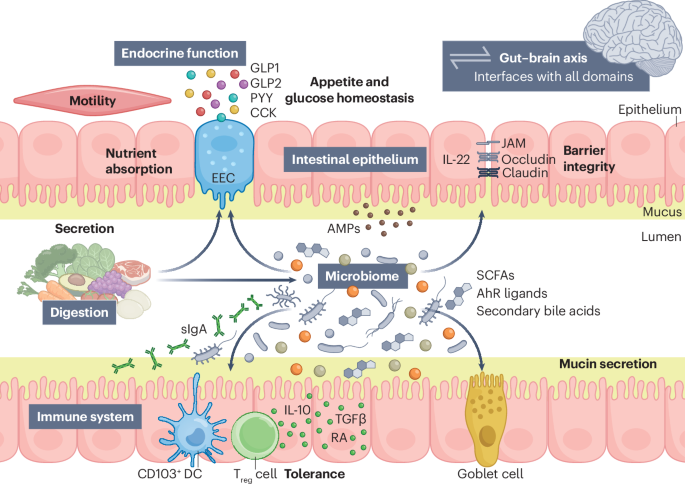
Hibiscus tea has shown promise in supporting a balanced and healthy gut microbiome (the community of microbes in the gut). Rich in antioxidants, mainly anthocyanins, it may help protect the intestinal lining from oxidative damage and inhibit the growth of harmful gut bacterial strains.
These same antioxidant properties will also contribute to maintaining microbial balance in the gut, which is essential for digestion, immune function, and nutrient absorption.
5. Has Possible Digestive Side Effects
Most people experience no side effects from drinking hibiscus tea. However, some may experience an upset stomach, or gas. Additionally, some individuals may be allergic to hibiscus.
6. Additional Benefits
Hibiscus tea offers benefits that extend beyond heart and digestive health. Additional potential benefits include:
- Blood sugar management: The polyphenols and organic acids in hibiscus tea may enhance insulin sensitivity and lower blood sugar levels. Choose unsweetened hibiscus tea if you have prediabetes, diabetes, or want to cut back on sugar.
- Support for liver health: Animal studies indicate that hibiscus tea may contribute to improved liver function and efficiency. Further investigation is required to determine the impact of hibiscus tea on human liver function.
- Weight management: Research suggests that hibiscus tea may aid in weight loss and provide protection against obesity. Evidence suggests that hibiscus may complement dietary and exercise plans by influencing the regulation of metabolic processes that convert food into energy.
- Antimicrobial properties: Test-tube studies have shown that hibiscus may inhibit bacterial infections. For example, a 2016 laboratory study reported that hibiscus extract was effective against eight bacterial strains and comparable to conventional antibacterial medications.
- Anticancer effects: Hibiscus contains abundant polyphenols, which have demonstrated significant anticancer properties. However, most studies examining this effect have employed large quantities of hibiscus extract in laboratory settings. Additional research is necessary to establish the effects on people.
How to Prepare Hibiscus Tea
Hibiscus tea can be prepared at home. Tea bags are available for purchase online or in grocery stores. They can be steeped in hot water and then removed before drinking.
Dried hibiscus flowers can be purchased at health food stores or online. To prepare, add dried hibiscus flowers to a pot or cup and pour boiling water over them. Allow the mixture to steep for a few minutes, then strain and sweeten to taste, if desired.
Hibiscus tea may be served either hot or cold. It has a tart taste similar to cranberries. Sweeteners such as honey, sugar, or sugar substitutes can be added, along with lemon or lime juice, to adjust the taste as desired.
:max_bytes(150000):strip_icc()/lana-barhum-d731df9d86514add9c6e1bd5aa2d7233.jpg)
link

:max_bytes(150000):strip_icc()/Health-GettyImages-2222718735-eccdfcbd45b04d8fa98ecdad691be69c.jpg "6 Signs Your Gut Health Is Out of Balance")