What Are the Benefits of Digestive Enzymes?
:max_bytes(150000):strip_icc()/Health-GettyImages-1393063433-d5d1469393754120ba6a605bdf5c3e2b.jpg "What Are the Benefits of Digestive Enzymes?")
Supplemental digestive enzymes may have benefits for digestion, nutrient absorption, and pancreatic function.
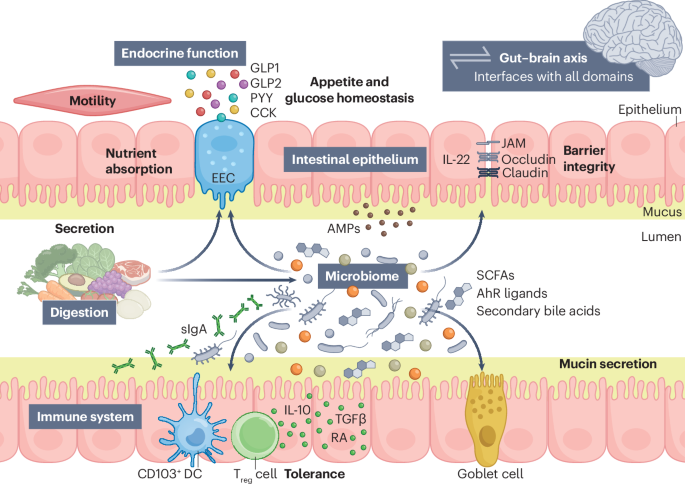
Digestive enzymes are proteins the digestive system makes to help break down food. Supplements might treat bloating, excess gas, nausea, and stomach pain if you cannot digest food properly.
PRImageFactory/Getty Images
Some people might benefit from digestive enzyme supplements if they do not make enough. There are many digestive enzyme supplements, which vary in types and dosages.
Improve Digestion
The primary role of digestive enzyme supplements is to aid digestion. You might benefit from supplements if you do not naturally produce enough.
People with lactose intolerance do not naturally make enough lactase, a digestive enzyme that helps break down the sugar in dairy products.
Lactaid is an oral lactase supplement that helps your body digest dairy products.
Enhance Nutrient Absorption
Digestive enzymes help break down carbohydrates, fats, and protein in your food. Supplemental digestive enzymes can help your body absorb these nutrients, which helps support overall health.
Reduce Gastrointestinal Discomfort
Some digestive enzymes help manage digestive disorders that cause bloating, excess gas, and stomach pain.
Supplemental digestive enzymes have been shown to manage discomfort for conditions like:
- Chronic pancreatitis (inflammation of the pancreas)
- Lactose intolerance
Reduce Inflammation
Protease is a digestive enzyme that helps break down proteins, such as those that cause inflammation and swelling.
Support Pancreatic Function
Digestive enzymes might treat exocrine pancreatic insufficiency (EPI). With EPI, the pancreas does not make enough digestive enzymes. The small intestine is unable to digest food properly.
Health conditions that can cause EPI include:
- Chronic pancreatitis: About 30-90% of people with chronic pancreatitis have EPI.
- Cystic fibrosis (CF): This causes thick mucus to build up in the body. As many as 90% of people with CF have EPI.
- Diabetes: The pancreas makes little to no insulin, which causes high blood sugar levels. Insulin is a hormone that moves glucose (sugar) into cells.
- Pancreatic cancer: EPI may occur if a tumor blocks the release of pancreatic digestive enzymes to the small intestine.
Digestive enzyme supplements are usually available over the counter or by prescription. The type will determine how and when you use it.
Over-the-Counter Supplements
Over-the-counter (OTC) digestive enzymes come in capsules, powders, and tablets. You might need to take them after a meal or with food.
Types of OTC digestive enzymes include:
| Type | Function |
|---|---|
| Amylase | Breaks down starches and sugars |
| Lactase | Helps digest lactose, a sugar in dairy products |
| Lipase | Digests fats |
| Protease | Breaks down proteins |
The dosages of OTC digestive enzyme supplements depend on the type, form, and ingredients. Talk with a healthcare provider or pharmacist to figure out how much to take.
Prescription Supplements
Prescription digestive enzyme supplements are available as capsules or tablets. A doctor may prescribe them as part of pancreatic enzyme replacement therapy (PERT).
Digestive enzyme supplements are typically prescribed in dosages like:
- With meals: 30,000–40,000 international units (IU)
- With snacks: 15,000–20,000 IU
You might take half of your total dosage with the first part of your meal and the other half during or after eating.
Digestive Enzymes vs. Probiotics
Like digestive enzymes, probiotics aid digestion. Your gut has a balance of healthy and harmful bacteria. Probiotics are the helpful kind, and they assist the work of digestive enzymes.
An imbalance of gut bacteria might cause similar symptoms to a lack of digestive enzymes, such as bloating and stomach pain.
Research is limited, but digestive enzyme supplements are generally safe. They may be unsafe for people without a true deficiency or severe digestive symptoms. A stool sample can determine if you are deficient in enzymes.
It is unclear whether digestive enzymes are safe for pregnant and breastfeeding people. Err on the side of caution, and do not use supplements unless a doctor directs you to do so.
Digestive enzyme supplements may also be unsafe for children. Bile salt-stimulated lipase might be unsafe and worsen digestive symptoms in premature infants.
Potential Drug Interactions
Some digestive enzymes interact with certain drugs. Bromelain, which helps reduce inflammation, can interact with drugs like:
- Antibiotics
- Anticoagulants (blood thinners)
- Antiplatelets
- Blood pressure medications
- Chemotherapy drugs
- Non-steroidal anti-inflammatories (NSAIDs)
- Opioids
- Some antidepressants
Let a healthcare provider or pharmacist know about medications you take before trying digestive enzyme supplements.
What To Look For
Anytime you buy a supplement, it is a good idea to shop at big-chain retailers. Make sure your supplement contains the enzyme best for your health goals.
Read the ingredients list to make sure it contains nothing you are allergic to. Look for ingredients like bitter orange or kava, both of which are associated with side effects.
When taking supplements, signs of an adverse reaction include:
- Difficulty swallowing or shortness of breath
- Fatigue
- Itching
- Jaundice, or yellowing of the eyes or skin
- Low blood pressure
- Mood changes
- Nausea and vomiting
- Severe joint or muscle pain
- Skin rash
- Stomach pain
Stop taking supplements and seek medical attention right away if you have an adverse reaction.
Removing foods from your diet that trigger digestive symptoms might be easier than starting a digestive enzyme supplement.
Eating high-fiber foods may help with digestion, such as:
- Fruits: Berries, pears, and oranges
- Legumes: Black beans and chickpeas
- Nuts: Almonds and pecans
- Vegetables: Green peas and collard greens
- Whole grains: Oatmeal or quinoa
Digestive enzyme supplements might be useful for digestion, nutrient absorption, and pancreatic function. Talk with a healthcare provider or pharmacist before starting a new supplement. They can advise on what type of digestive enzyme and how much of it to take.
link

:max_bytes(150000):strip_icc()/Health-GettyImages-2222718735-eccdfcbd45b04d8fa98ecdad691be69c.jpg "6 Signs Your Gut Health Is Out of Balance")