A Beginner’s Guide To Calisthenics In 2026 + Workouts
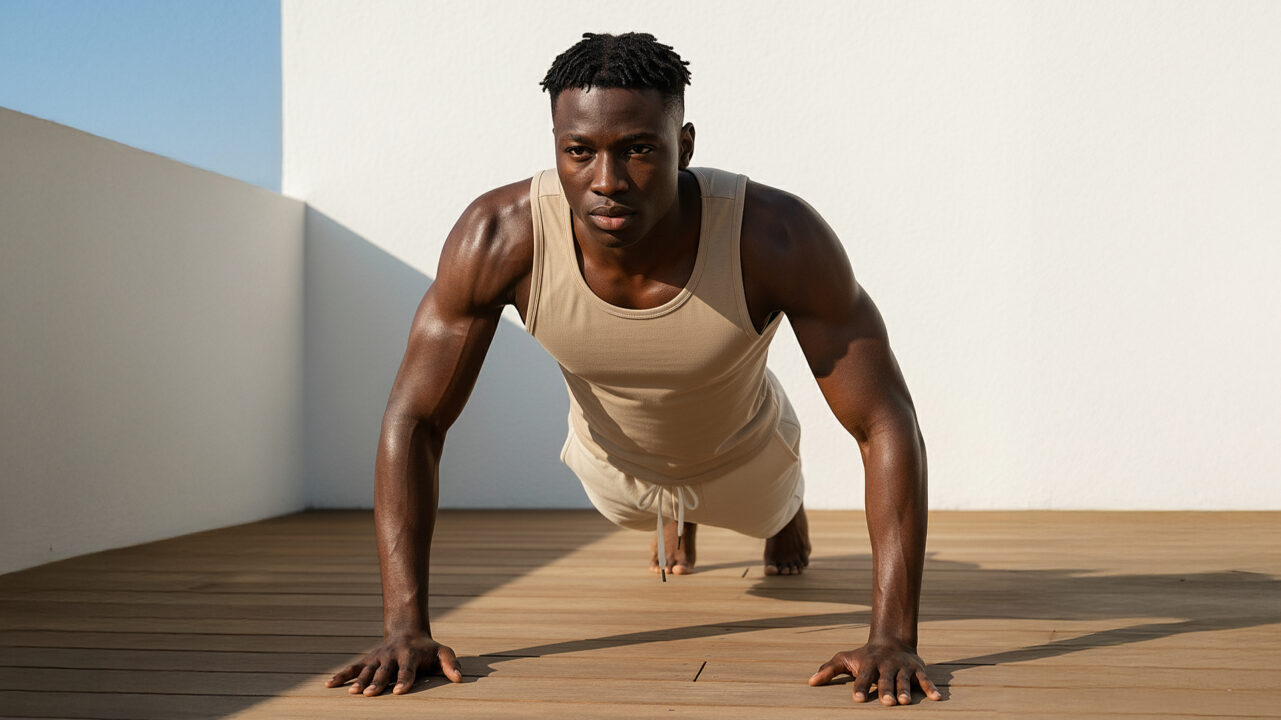
Deadlifting twice your bodyweight is impressive. But lifting, controlling, and suspending your own body against gravity, holding a human flag, locking out a muscle-up, or pressing into a handstand, hits differently. That kind of strength looks effortless, almost unreal. Yet, it’s built through something far more accessible than most people realize: calisthenics.
As 2026 begins, calisthenics is no longer a niche park workout or a fleeting social media spectacle. Instead, it’s emerging as a serious New Year fitness resolution for people who want strength that translates beyond the gym. For anyone exploring calisthenics for beginners, the appeal is clear: minimal equipment, maximum control, and a visible sense of progression. You don’t start with gravity-defying skills. Every advanced athlete you admire began with the same fundamentals.
More importantly, calisthenics fits seamlessly into modern life. Home workouts, outdoor training, flexible schedules, and skill-based fitness are no longer trends. They’re expectations. Calisthenics meets all of them while delivering real results in strength, mobility, posture, and confidence.
What Is Calisthenics, Really?

The word calisthenics comes from the Greek kalos (beauty) and sthenos (strength). At its core, it’s bodyweight training that uses gravity as resistance. Push-ups, pull-ups, squats, planks—these are all calisthenics, even if you’ve never labeled them that way.
What separates calisthenics from typical bodyweight workouts is intent. The goal isn’t just burning calories; it’s mastering your body. While advanced athletes work toward skills like muscle-ups, planches, L-sits, and handstand push-ups, those movements are built on the same foundational exercises beginners practice. That’s why calisthenics for beginners emphasizes control, range of motion, and technique, rather than rushing toward difficulty.
Why Calisthenics Is Taking Over in 2026
Calisthenics surged throughout 2025, and all signs point to continued growth in 2026. Search interest around calisthenics equipment, weighted vests, and beginner routines continues to rise, particularly during the New Year goal-setting season.
The reason is straightforward: people want training that feels functional and sustainable. Calisthenics allows you to train anywhere, at home, in a park, or in a gym, without relying on machines. Even better, it integrates easily with other fitness styles, pairing well with running, mobility work, or traditional strength training.
The Foundation: What Every Beginner Needs to Master
Before chasing flashy skills, beginners need a solid base. A proper calisthenics foundation focuses on four core movement patterns: pushing, pulling, legs, and core. Together, these build full-body strength, coordination, and resilience.
#1. Push-Ups
Often underestimated, push-ups train the chest, shoulders, triceps, core, and glutes while teaching full-body tension—an essential skill for advanced calisthenics. Incline variations make them accessible; decline variations increase difficulty.
#2. Strict Bar Dips
Dips develop deep pushing strength through the shoulders and chest, preparing joints and tendons for demanding skills like muscle-ups and handstand push-ups. Resistance bands allow beginners to progress safely.
#3. Inverted Rows
These horizontal pulls strengthen the upper back and arms while reinforcing proper body alignment. By adjusting body angle, you can scale difficulty as strength improves.
#4. Pull-Ups
A cornerstone of calisthenics for beginners, pull-ups build vertical pulling strength, grip endurance, and core stability. Assisted pull-ups and rows help bridge the gap to strict reps.
#5. Bodyweight Squats
Lower-body strength is non-negotiable. Squats teach sound movement mechanics and lay the groundwork for single-leg skills like pistol squats later on.
#6. Planks and Hollow Holds
Core strength ties everything together. Planks teach bracing and alignment, while hollow holds reinforce the body position used in pull-ups, handstands, and muscle-ups.
How to Start Calisthenics Without Burning Out
One of the most common beginner mistakes is doing too much, too soon. Calisthenics rewards patience. Prioritize clean technique before increasing reps or difficulty. Warm-ups are especially important, particularly for wrists, shoulders, hips, and the spine.
Progress only when movements feel controlled and repeatable. And don’t overlook recovery. Despite using bodyweight, calisthenics places real stress on muscles and joints. Rest days aren’t optional; they’re part of the process.
The Benefits That Keep People Hooked
Calisthenics requires minimal equipment, adapts to every fitness level, and delivers noticeable improvements in strength, posture, and body composition. Research shows that consistent bodyweight training can increase strength and reduce fat mass, even without weights.
Perhaps most importantly, calisthenics builds awareness. You learn how your body moves, where it’s strong, and where it needs attention. That mind–muscle connection carries over into every other form of training.
Why Calisthenics Is a Smart 2026 Fitness Resolution
Calisthenics doesn’t allow shortcuts. Strength is earned through control, consistency, and patience. For beginners, it offers a clear path from simple movements to impressive skills. For experienced athletes, it presents a challenge that never truly ends.
As 2026 unfolds, calisthenics feels less like a trend and more like a long-term training philosophy. If your New Year’s resolution is to build strength that actually shows up in how you move, calisthenics for beginners may be the smartest place to start.
Featured image: BetterMe World
—Read Also
link


:max_bytes(150000):strip_icc()/Health-GettyImages-2222718735-eccdfcbd45b04d8fa98ecdad691be69c.jpg "6 Signs Your Gut Health Is Out of Balance")